We need to talk about grid costs
First Posted: 2026.01.15, Last Revised: 2026.01.15, Author: Tom Brown
We need to talk about grid costs! High inflation for equipment, ambitious plans => grid charges that threaten the transition.
While we've all been celebrating the drop in solar and battery costs, network component costs have quadrupled.
The first graphic is taken from the German Energy Transition Monitoring Report 2025:
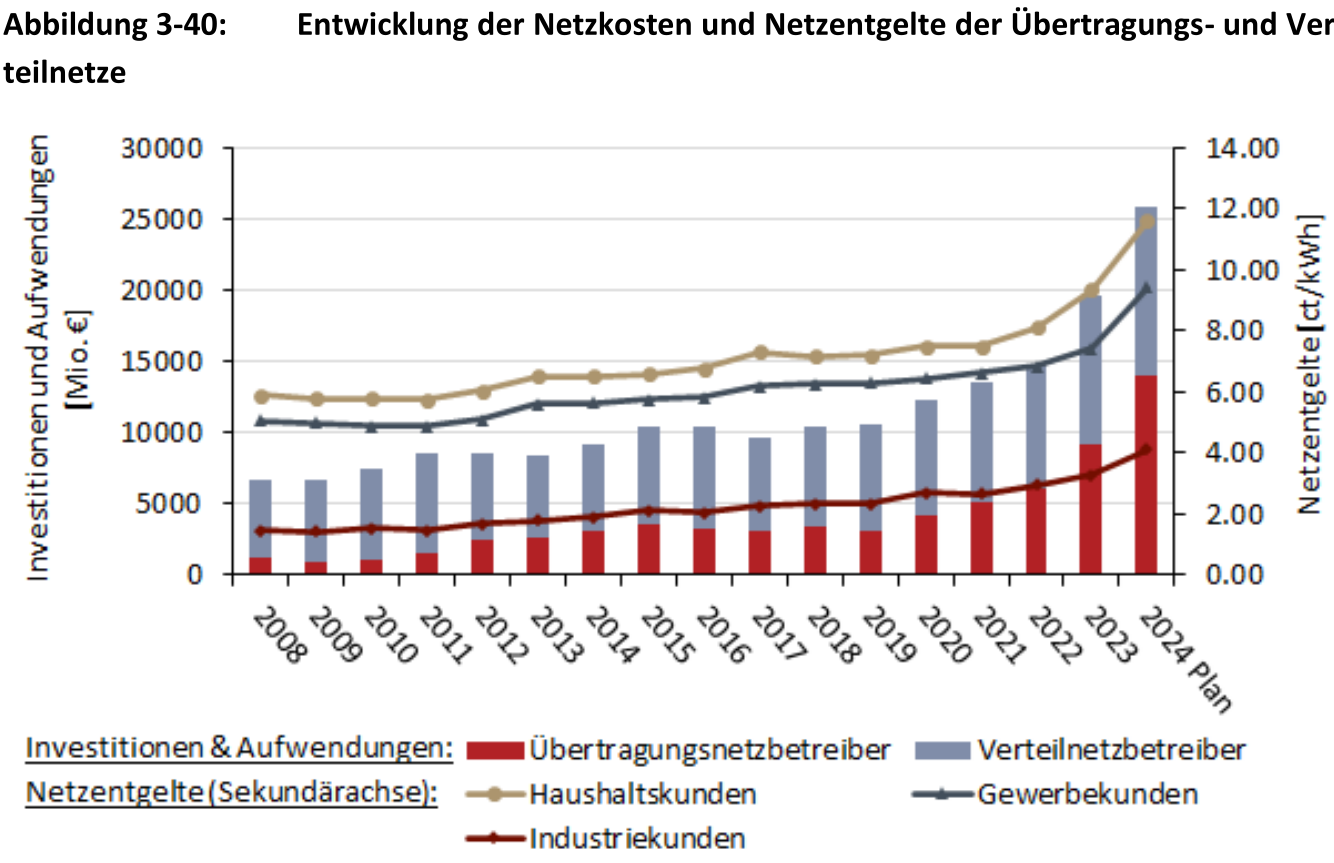
Figure 1: Source: Monitoringbericht, 2025
It shows the increases in network charges with the top beige line rising to almost 12 ct/kWh for households.
The cause is the investments and expenditures for transmission (red bars) and distribution (blue bars). Some of this massive cost increase comes from congestion management (which rose from €1.5 billion in 2020 to €3 billion in 2024), but most of the €10 billion rise for transmission is additional investments.
The planned German investments in transmission until 2045 rose from €320 billion in the 2023 Network Development Plan (NDP) to €360-390 billion in the latest 2025 NDP.
These are colossal numbers! €240 billion for distribution comes on top.
Why are the numbers so high? Part of the story is that grid components have got more expensive due to inflation in material costs and permitting, but a lot is the market power of the manufacturers (check out this year's profits at Siemens Energy and Hitachi!).
The next graphic shows the quadrupling of specific costs for onshore high voltage transmission in the NDP (2025 is back-calculated, since they didn't publish the specific costs yet):
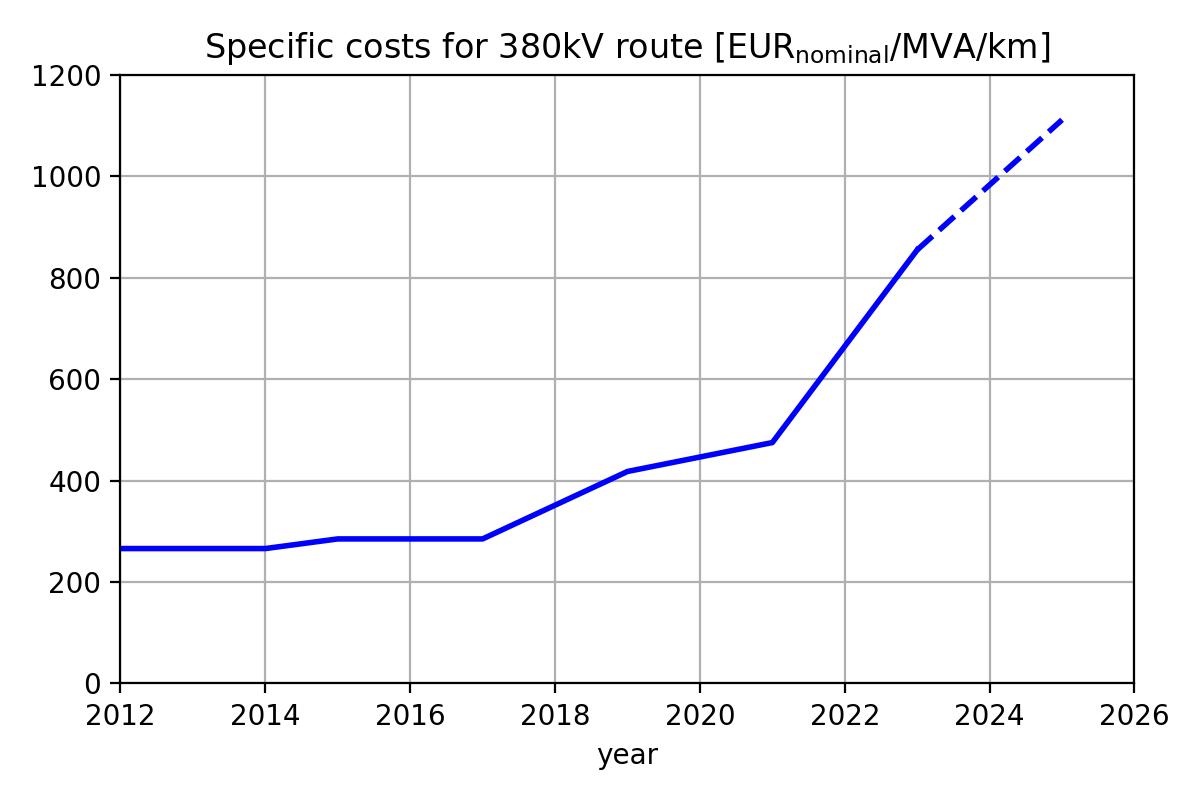
These high costs threaten the acceptance of the energy transition, electrification, and the business models of energy providers if customers start defecting.
Some of the impact on network charges will be compensated as demand grows, spreading the costs over a larger consumer base (but this hasn't happened yet).
We need to keep expanding the transmission grid, but some moderation is needed.
What to do? We set out some suggestions and the Monitoring Report does too.
- Stretching out the investments over a longer time frame to ameliorate the supply chain crunch.
- More use of non-wire solutions, enabled by local price signals.
- Guarantees to help manufacturers build capacity.
- Regular corrections to scenario assumptions as demand trends lower.
- Reconsideration of offshore targets and how offshore is connected (offshore drives high costs with HVDC connections deep into Germany).
- Allow more redispatch in the NDP scenarios.
There are many more, please pile in in the comments.